Book Appointment Now

neuroplasticity
Neuroplasticity & Brain Balance
Rewiring the Brain, Restoring the Child
Understanding Functional Disconnection Syndrome and the science of neuroplasticity how targeted stimulation can bring the two hemispheres of the brain back into balance and resolve the symptoms of ADHD, autism, dyslexia, and related disorders.
The Core Problem
Functional Disconnection Syndrome
Today, there are some 21 million children who have been diagnosed with severe attention, behavioral, or learning problems. Every day thousands more are being diagnosed with ADHD, autism spectrum disorder, dyslexia, Tourette syndrome, obsessive compulsive disorder, bipolar disorder, or other frightening conditions that confirm that something is not right in the brain.
These disorders may manifest with different symptoms, but they are really one and the same problem: a brain imbalance. There is even a name for it: Functional Disconnection Syndrome, meaning areas in the brain, especially the two hemispheres, are not electrically balanced or synchronized.
"This electrical imbalance interferes with the ability of the two hemispheres to share and integrate information, meaning the brain cannot function as a whole."
The result is that a child with a brain imbalance has normal or even unusually good skills associated with the higher functioning area of the brain, and unusually bad skills associated with the underactive area. The problem comes about because one side of the brain is maturing at a faster rate than the other.
Fix the disconnect, get the immature side of the brain to catch up to the other side, and the symptoms go away. So does the disorder.
21M
Children Diagnosed Worldwide
1in68
Autism Diagnosis Rate
1in42
Boys on the Spectrum
1,000T
Synapses at Age Six
What We Address
Conditions Rooted in Brain Imbalance
Each disorder is complex and often involves every system of the body. Science, however, doesn't take a whole body approach to seeking a solution. At Transorbital, we do.
ADHD
A broad diagnosis covering symptoms from an inability to concentrate and focus to extreme hyperactivity and a lack of impulse control that disrupts family, friendships, and the classroom.
Autism & ASD
An extreme inability to communicate normally and develop social relationships, often accompanied by complex behavioral challenges and prolonged fixation.
Dyslexia & Processing Disorders
The inability to discriminate the sounds of letters, which also makes spelling, writing, and speech difficult.
Asperger's Syndrome
Similar to autism but with excellent verbal skills. Often referred to as "little professor syndrome" because of high intelligence and obsessive fixation on specific topics.
OCD
An anxiety disorder characterized by a pattern of rituals or obsessive thinking to the point that it interferes with everyday living.
ODD
Characterized by openly hostile and defiant behavior, usually toward authority figures.
Sensory Processing Disorder
Exists when sensory signals don't integrate to provide appropriate responses, causing significant problems organizing sensation from the body and environment.
Tourette Syndrome
Characterized by uncontrollable, sudden, repetitive, and purposeless muscle or verbal tics.
How the Brain Develops
From Conception to Age Six
The brain is the only organ not fully formed at birth. Only its basic structures are present, and it starts working as a vital organ long before it is completely formed.
1
40 Days After Conception
The cortex starts to form. The neocortex becomes the seed for neurons, sprouting at up to a quarter million per minute.
2
End of Month Two
The human cortex in a fetus is intact and identifiable. Cell migration continues to flourish until about the end of the fifth month.
3
At Birth
Few synaptic connections exist, just enough to regulate breathing, heartbeat, and vital functions. The brain weighs about 12 ounces.
4
By Age Two
Roughly 80 percent of the brain is intact. During the first year, the average baby adds more tissue to its brain than it will throughout the rest of its life.
5
By Age Six
The brain is almost 90 percent of its adult size and possesses approximately 1,000 trillion synapses, more than the smartest person could ever use.
6
By Age Ten
The average child will lose half of the trillion synapses that existed at birth. Use it or lose it applies to young minds too.
7
Right Brain First
In the womb and after birth, the right side grows first, forming the foundation of intuitive and relational skills for the first few years.
8
Left Brain Around Age Three
Emphasis switches to the left brain, the logical side, which uses skills from the right to explore details, language, and clarity.
Anatomy & Function
Brain Regions & What They Control
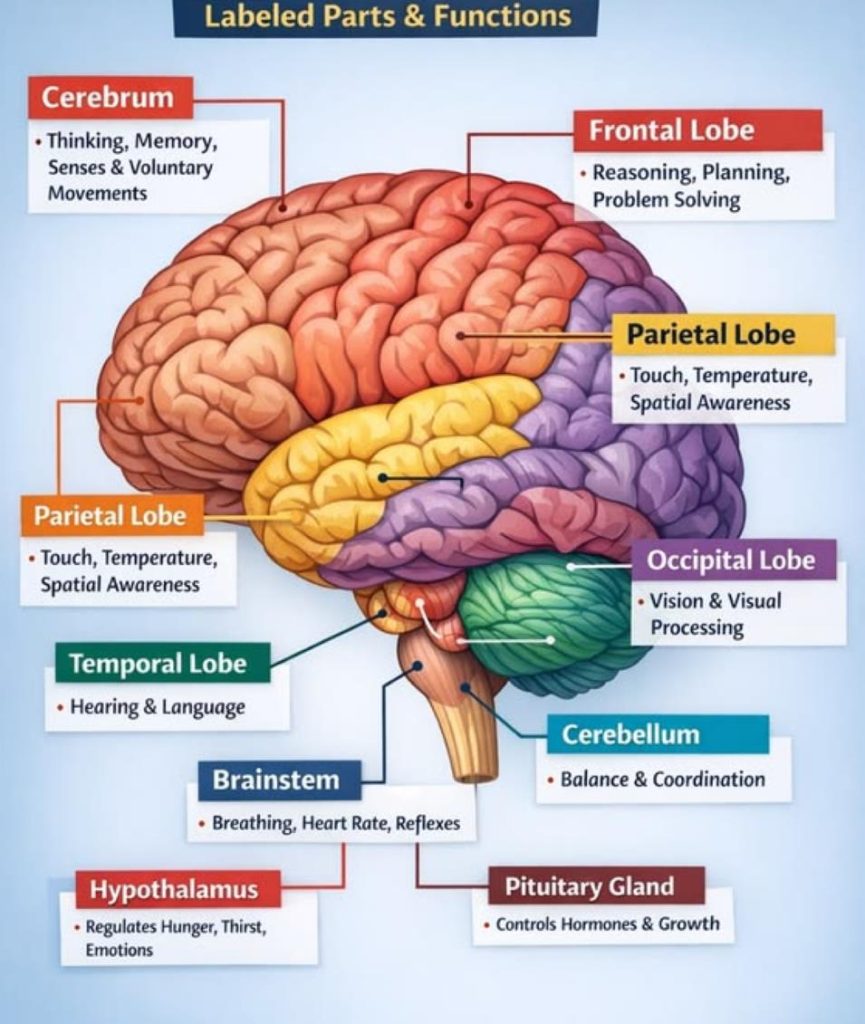
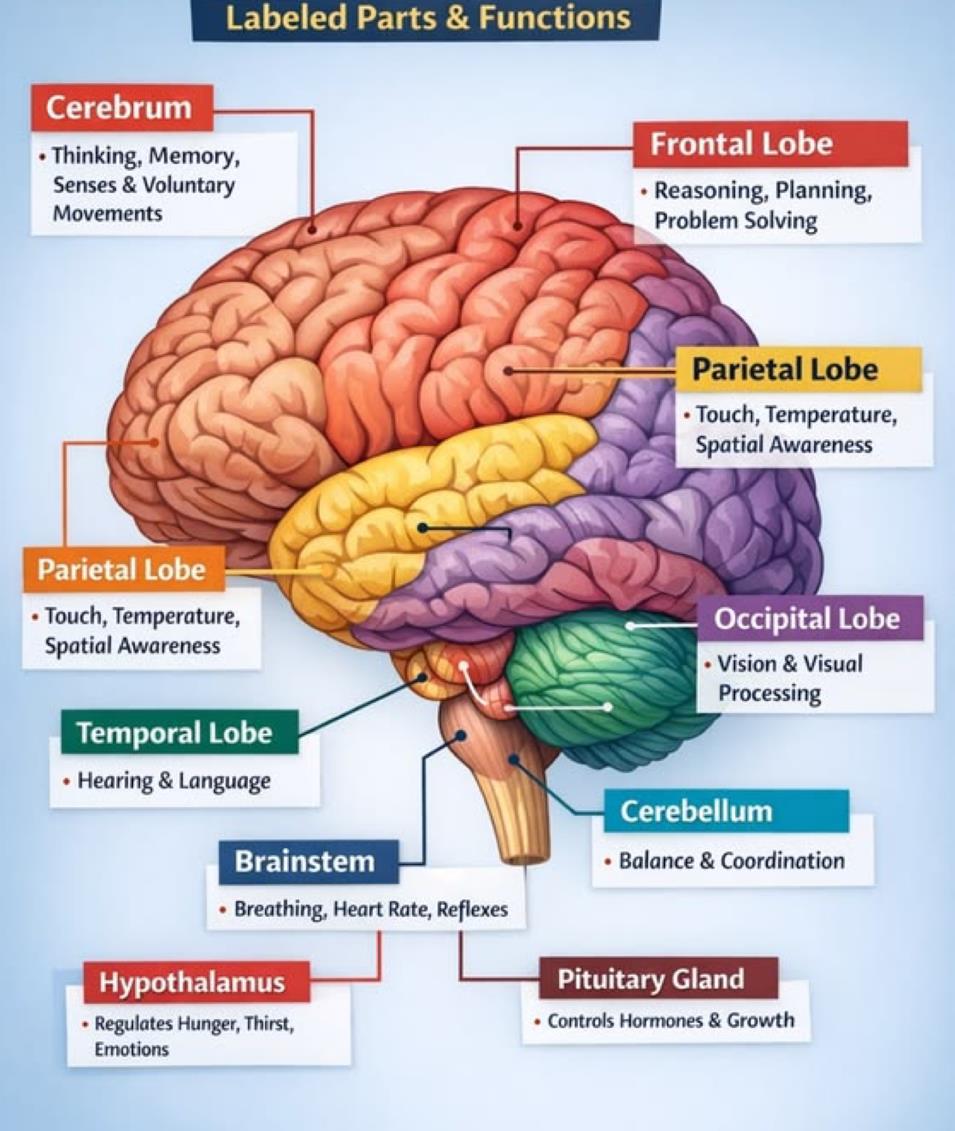
Each region of the brain has a specialized role. When one region lags behind in development, the symptoms of Functional Disconnection Syndrome appear.
- CerebrumThinking, memory, senses, and voluntary movement.
- Frontal LobeReasoning, planning, problem solving, and executive function.
- Parietal LobeTouch, temperature, spatial awareness, and sensory integration.
- Temporal LobeHearing, language comprehension, and memory.
- Occipital LobeVision and visual processing.
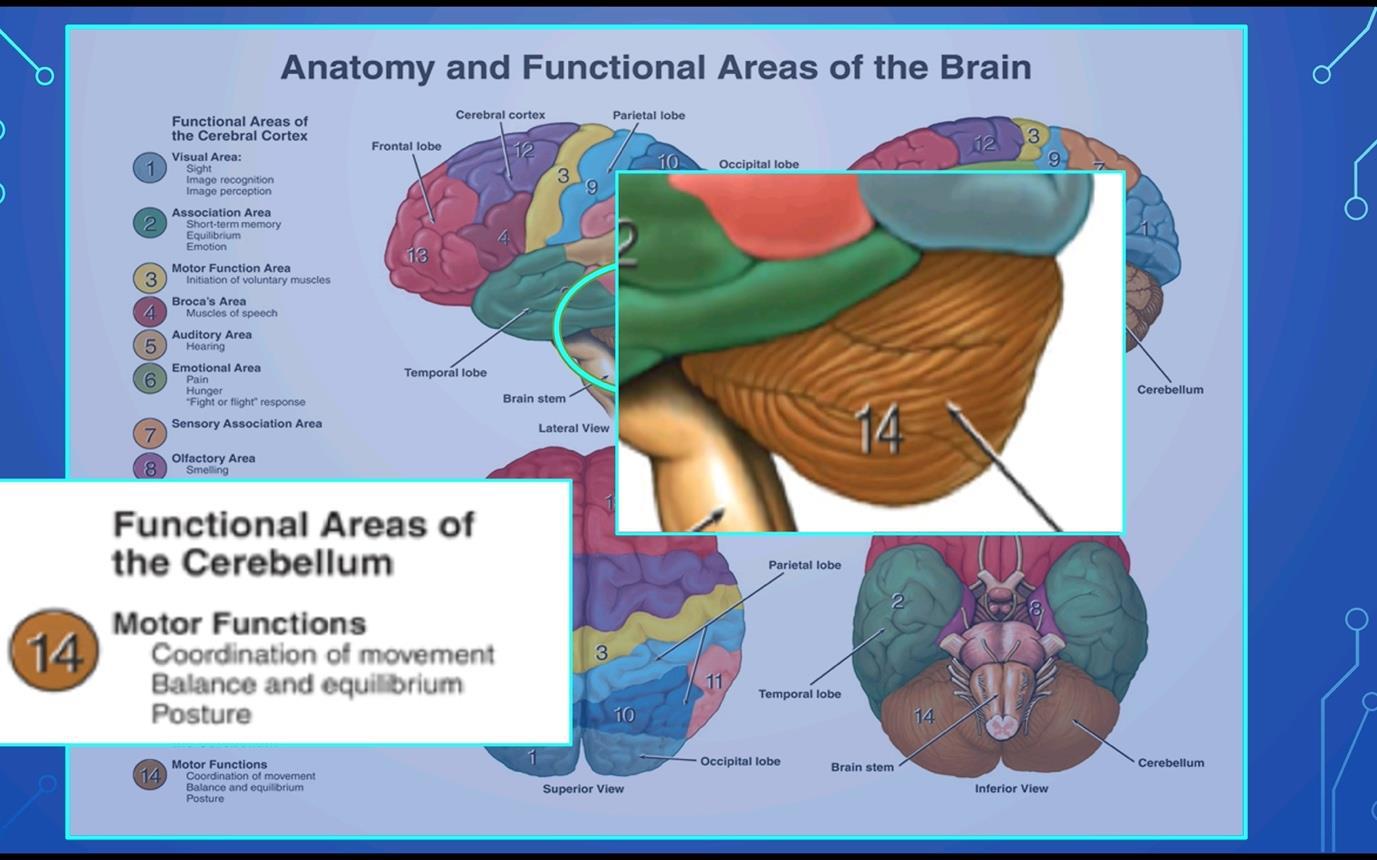
- CerebellumBalance, coordination, and motor learning.
- BrainstemBreathing, heart rate, and reflexes.
- HypothalamusRegulates hunger, thirst, and emotions.
- Pituitary GlandControls hormones and growth.
- Corpus CallosumConnects the two hemispheres.
- Limbic SystemEmotions and memory.
- Broca's AreaMotor speech production.
Hemispheric Balance
Two Sides to Every Brain
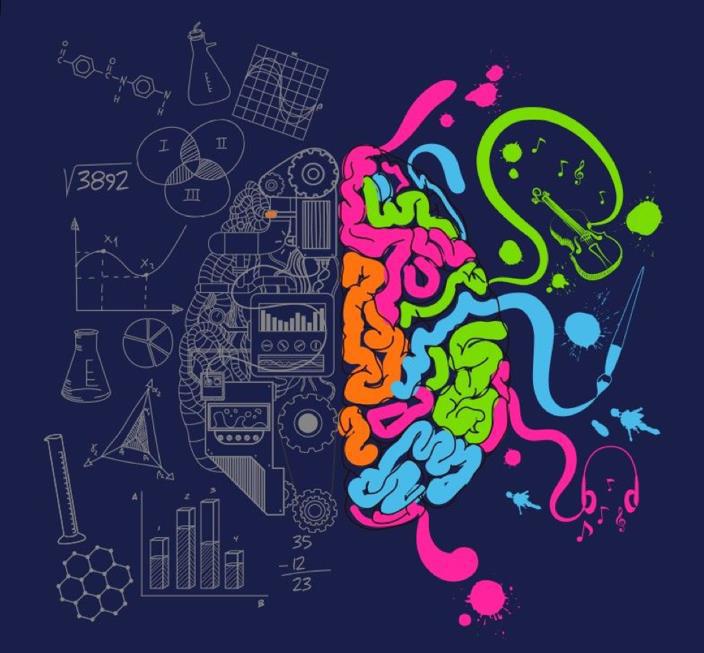
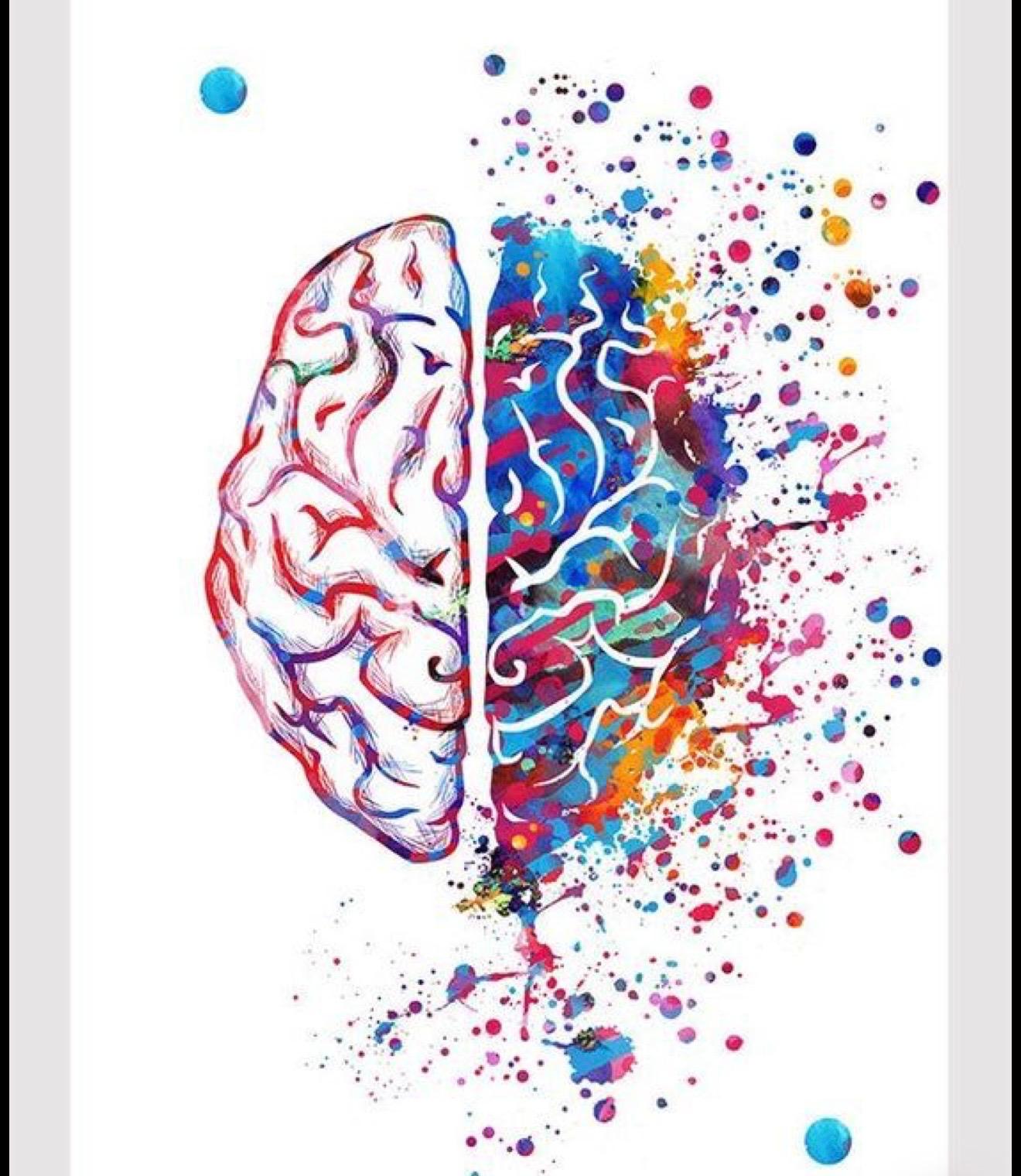
In order for the human brain to function as a whole, the left and right hemispheres must be in constant communication. They must be in synchronization, perfect rhythm, perfect harmony, perfect timing. When they are not, Functional Disconnection Syndrome occurs.
Left Brain
- Verbal
- Analytic
- Parts, detail
- Logical, rational
- Sequential, successive
- Systematic, directed
- Linear
- Factual, words
- Abstract, symbolic
- Rational
- Objective
Right Brain
- Non verbal
- Synthetic, relational
- Wholes, big picture
- Intuitive, creative
- Random, simultaneous
- Casual, free
- Holistic
- Visual, colors
- Sensory, concrete
- Emotional
- Subjective
The Science of Change
5 Steps to Create a New Neural Connection
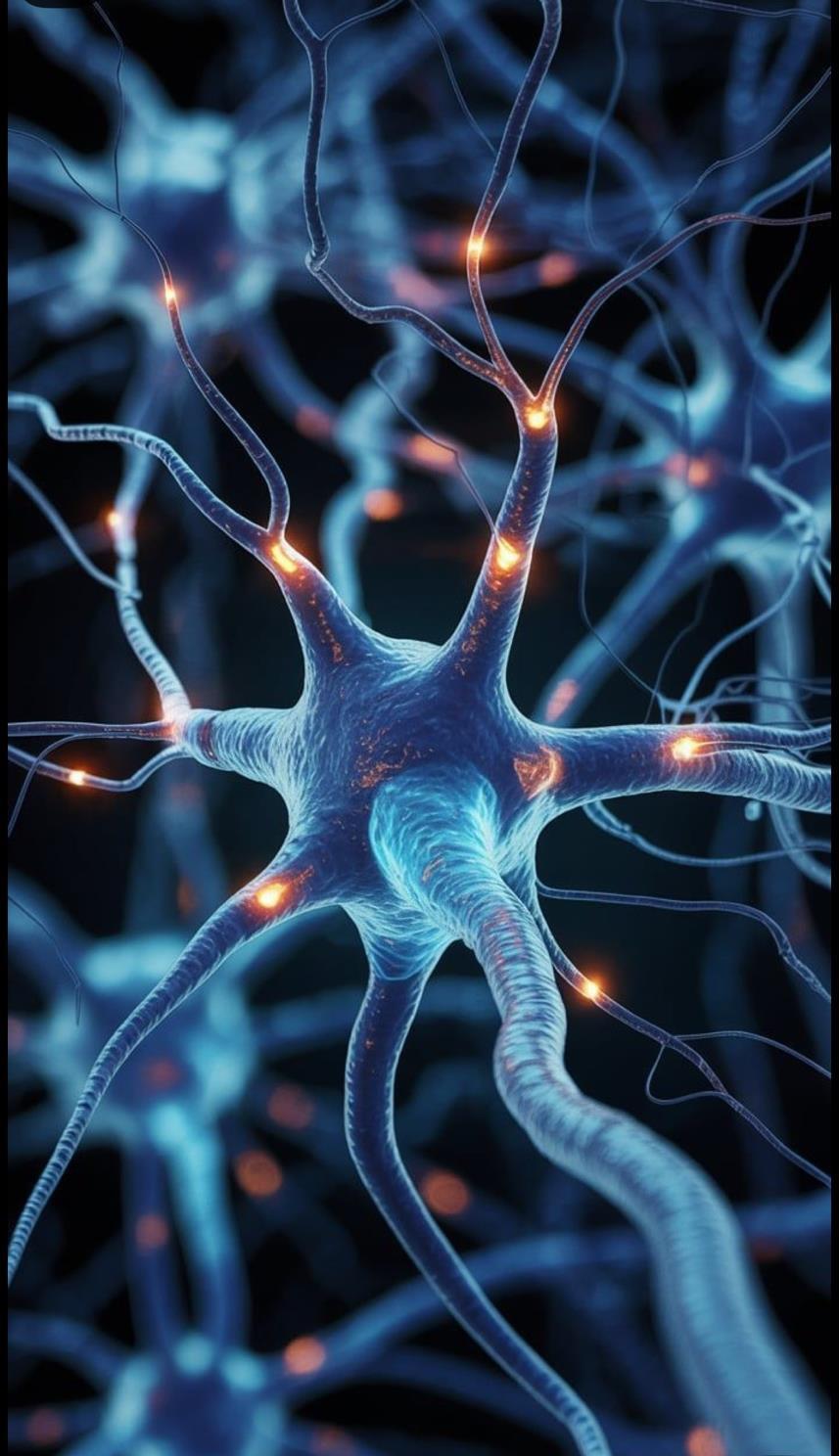
Neuroplasticity is the brain's ability to change and grow. These five principles govern how new neural pathways are formed, and they are the foundation of the Brain Balance approach.
1
FOCUS
Neural changes occur mainly in the brain networks you consciously focus on. Remove distractions and stay fully engaged.
2
PRACTICE
Conscious, controlled practice repeatedly activates the same neural pathway. Try daily tasks with your non dominant hand.
3
REPETITION
Regular reactivation strengthens synapses and stabilizes the connection. Practice the skill every day in short sessions.
4
CHALLENGE
Slightly increasing difficulty expands and refines the neural network. Change the pace or conditions to make the task harder.
5
RECOVERY
During rest and sleep, new connections are consolidated and stabilized. Prioritize rest to maintain neural growth.
Targeted Stimulation
Stimulating the Underactive Hemisphere
The Brain Balance Program is based on hemispheric integration therapy. A child is given a series of tests to assess symptoms and functional abilities, determining which hemisphere and functions are out of balance.
Then a series of sensory, physical, and academic exercises are selected that directly target the troubled areas. At first, these exercises strengthen functional weaknesses separately, then are worked simultaneously to integrate large areas of the brain.
- Tactile stimulation The easiest way to provide stimulation to the parietal lobes is through touch. The postcentral gyrus has a map of the body, and positive stimulation increases activation of those areas.
- Left postcentral gyrus Activated by stimulating the right side of the body.
- Right postcentral gyrus Activated by stimulating the left side of the body.
- Medial frontal gyrus exercise Reaction sticker games that require crossing the midline and switching between left and right hands.
Deep Brain Stimulation
Simple Ways to Stimulate the Brainstem
The brainstem is the oldest part of the brain and controls the most fundamental functions. Stimulating it activates the cranial nerves and sets the stage for higher level integration.
The Twelve Cranial Nerves
The cranial nerves emerge directly from the brain and brainstem, carrying signals for smell, vision, eye movement, facial sensation, hearing, balance, and more.
- Olfactory, Optic, Oculomotor, Trochlear
- Trigeminal, Abducens, Facial, Acoustic
- Glossopharyngeal, Vagus, Accessory, Hypoglossal
Brainstem Stimulation Techniques
Targeted activation of the midbrain, pons, and medulla can awaken underactive neural pathways.
- Midbrain Eye movements and sounds
- Pons Activation of the trigeminal system, facial nerve, and vestibular systems
- Medulla Vagus stimulation
Balance & Coordination
The Vestibular System
The vestibular system is a sensory system that contributes to balance and spatial orientation. It is the leading system for coordinating movement with balance and is deeply connected to brain development.
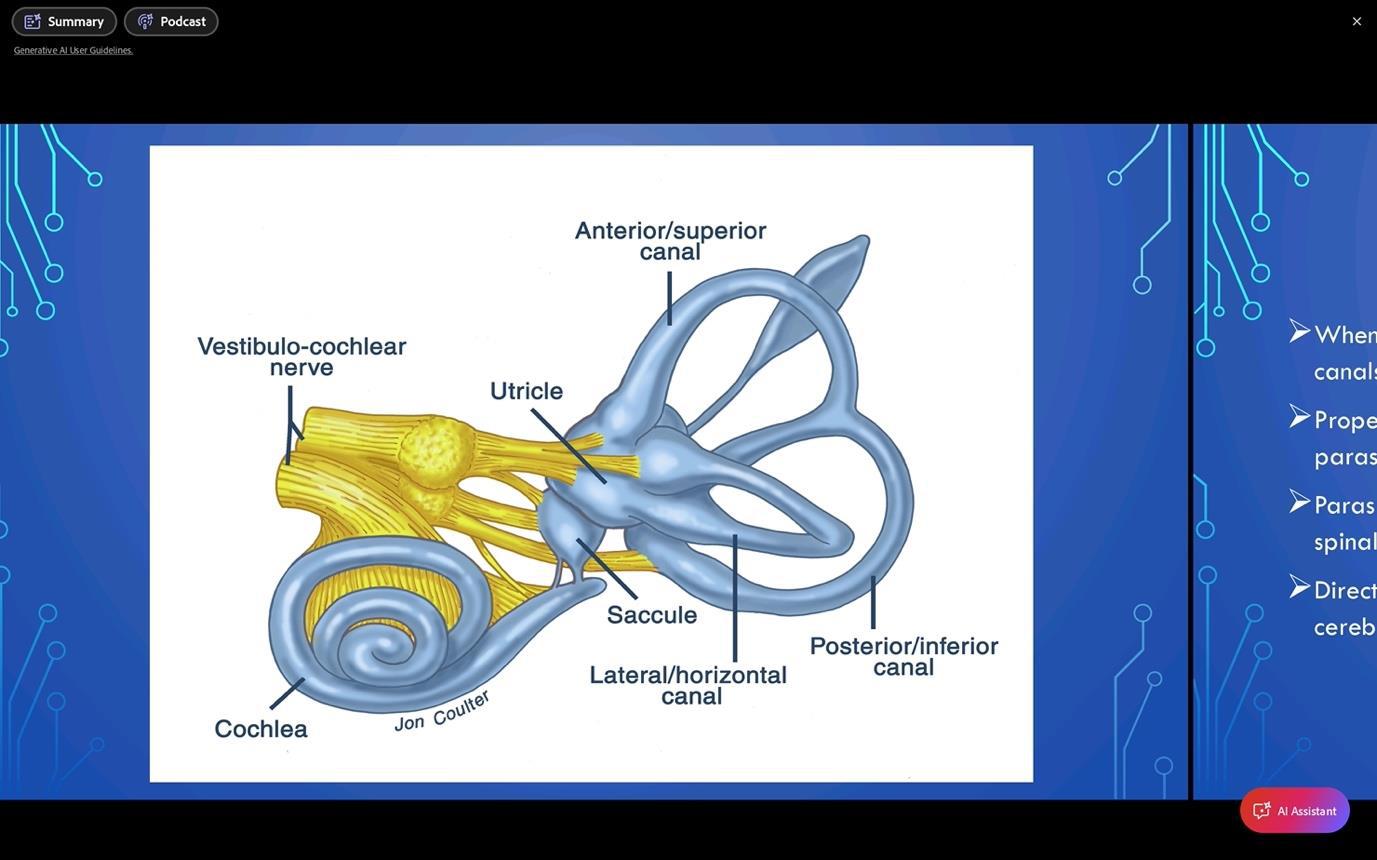
Two systems make up the vestibular apparatus:
- Otolithic SystemUtricle (horizontal movements) and Saccule (vertical movements).
- Semicircular CanalsAnterior, Horizontal, and Posterior canals that detect rotational movement.
- Vestibulo cochlear NerveCarries signals from the inner ear to the brainstem.
- CochleaThe spiral shaped organ of hearing, connected to the vestibular system.
Stimulation of the vestibular system through specific movement exercises is a core component of the Brain Balance approach, helping to integrate primitive reflexes and build the foundation for higher learning.
Try This at Home
Convergence Exercise
A simple daily exercise to stimulate the midbrain and improve eye teaming a foundational skill for reading and focus.
- Step 1Hold a pencil at arm's length, situated between the eyes.
- Step 2Look at the pencil and try to keep a single image of it while slowly moving it toward the nose.
- Step 3Move the pencil toward the nose until it is no longer a single image.
- Step 4Position the pencil at the closest point where it is still a single image.
- Step 5Repeat 20 times daily.
Begin Your Child's Brain Balance Journey
There is no more important social issue today. There is no greater problem that threatens the future of our world than what is happening to the developing brains of our children. We are here to help.
Schedule an Assessment